Choose high voltage electrical tape by cable-joint function
Source high voltage electrical tape for cable splicing, stress control, moisture sealing, insulation build-up, and jacket repair. Compare rubber splicing and stress-control products by cable-joint function.
Selection guide
Select by splicing, sealing, or stress-control function
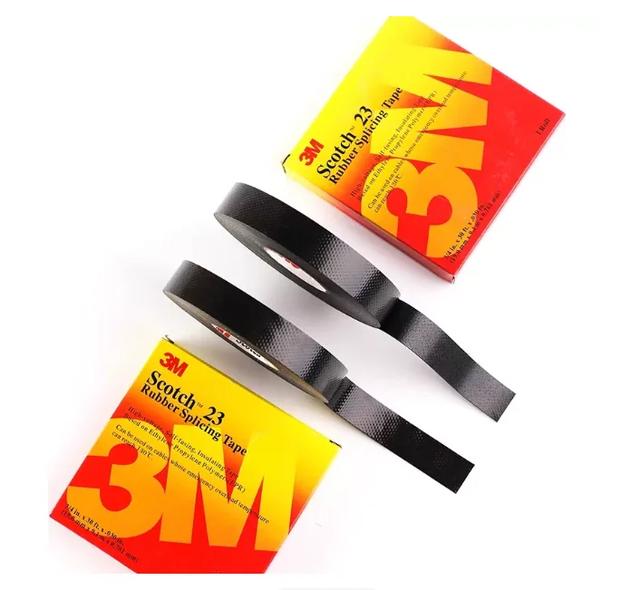
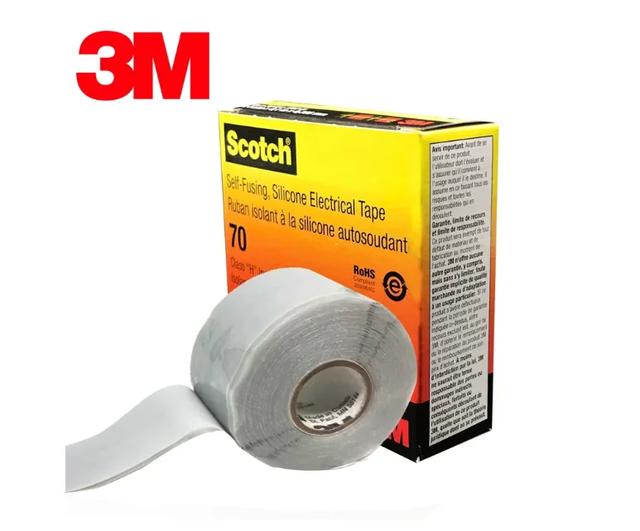
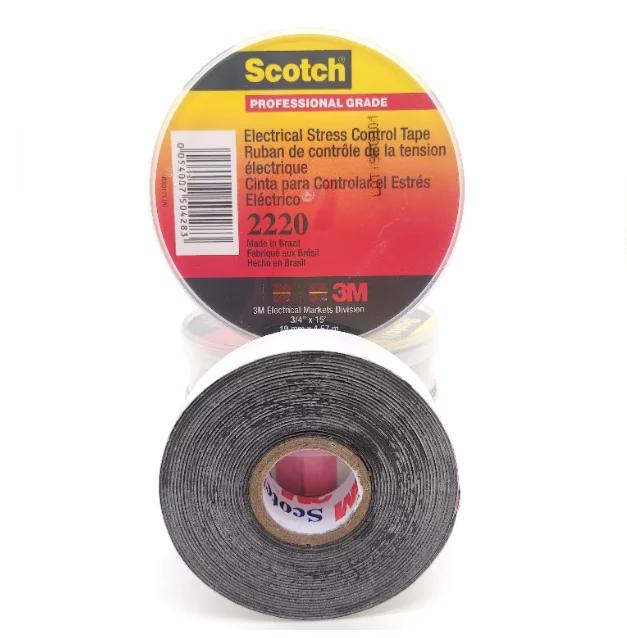
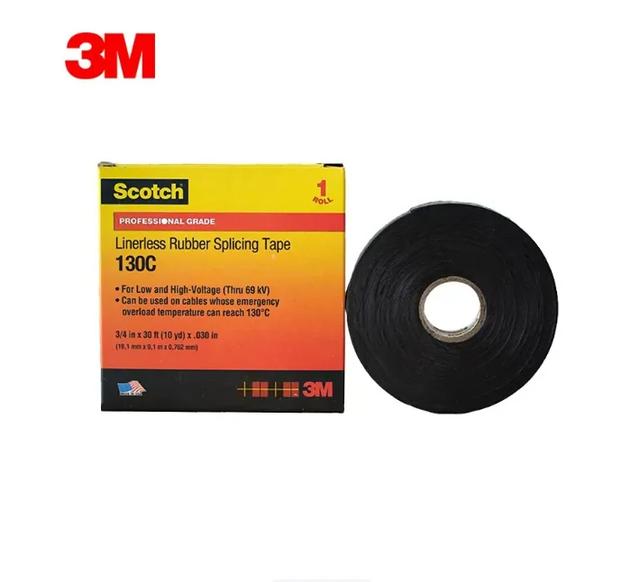
High voltage electrical tape is a broad sourcing term for cable-joint work. Scotch Tape 23 is a self-fusing rubber splicing tape, Scotch 2220 is an electrical stress-control tape, Scotch 130C is a linerless rubber splicing tape, and Scotch 70 is a self-fusing silicone rubber tape for high-temperature joints and terminations.
These products are not automatic substitutes for one another. Compare the models below, then confirm the cable system, joint or termination design, voltage class, environment, installation procedure, and manufacturer instructions before ordering.
Inquiry checklist
Information to confirm before quotation
Cable type, joint, termination, or repair application
Voltage class and required electrical function
Moisture, sealing, and environmental conditions
Required model, size, quantity, packing, and destination
Splicing, stress control, and sealing are three different jobs
The phrase high voltage electrical tape covers more than one function inside a cable joint, and the functions are not interchangeable. A rubber splicing tape builds the insulating wall of the joint and fuses into a continuous layer as it is wrapped. A stress-control tape manages the electric field where the cable shield is cut back. A separate sealing or mastic layer keeps moisture out of the finished assembly. These are different products doing different jobs in the same joint.
That is why a tape chosen for one function is not a substitute for another, and why a general-purpose vinyl tape is not a stand-in for any of them. Work from the joint or termination design, list the layers the design calls for, and match a product to each layer rather than selecting on the words high voltage alone.
Cable joints, terminations, and field repairs need different builds
A straight joint, a cable termination, and an emergency field repair each ask something different of the tape. A joint rebuilds the insulation and the conductive layers of the cable itself. A termination controls the field at the point where the cable meets the equipment. A repair restores enough insulation and sealing to return the circuit to service without rebuilding the whole joint.
Keeping the three apart is what stops an expensive mistake. A tape that suits a repair may not satisfy the insulation build a new joint needs, and a material selected for a termination may not fit a straight splice. Confirm which job it is first, then check the tape against the cable system, the joint or termination design, and the installation procedure that governs the work.
General-purpose PVC vinyl electrical tape is commonly the 600 V-rated tape, used for wire insulation, cable jacketing, harnessing, phase identification, and marking. As the system voltage rises, the joint has to build a thicker, void-free insulating wall and, in screened medium- and high-voltage cables, control the electrical stress around the cut-back shield.
That is where self-fusing rubber splicing tapes such as Scotch Tape 23 and Scotch 130C enter the design: both are stretched and wrapped so the layers fuse into one continuous insulation rather than a stack of separate turns. 3M documents Scotch 130C for primary insulation of solid dielectric cables rated through 69 kV when it is used in the appropriate cable system. Where the joint design includes stress control, a tape such as Scotch 2220 is applied at the shield cut-back as its own layer. The voltage class, the cable construction, and the applicable installation procedure are what decide the build and the tapes in it.
The three models on this page cover the core functions of a joint. Scotch Tape 23 is a self-fusing rubber splicing tape with a conformable ethylene propylene backing, selected for cable-joint insulation, splice build-up, and moisture sealing. Scotch 130C is a linerless rubber splicing tape quoted at 0.76 mm (30 mil) and documented for primary insulation on solid dielectric cables, and the linerless construction changes how the roll is applied and handled on site.
Where the joint runs hot, Scotch 70 is the silicone rubber option: 3M documents it as a Class H material for continuous operation at 180°C, as primary insulation on silicone rubber cables and as a splice overwrap on spacer cable operating at 15 kV and above.
Scotch 2220 is not an insulation tape at all. It is an electrical stress-control tape applied at the cable shield cut-back, where it equalises the field around a joint or termination. Start from the function each layer has to perform, confirm the model against the cable system and the applicable 3M procedure, then agree width, thickness, and quantity for the complete build-up before requesting a quotation.
Is high voltage electrical tape the same as ordinary PVC tape?
No. Rubber splicing, mastic, and stress-control products have different constructions and cable-system functions from general-purpose PVC vinyl electrical tape.
What information is needed for a high voltage tape inquiry?
Send the cable system, joint or termination application, voltage class, environment, requested model and size, quantity, packing requirement, and destination.
What is the difference between splicing tape and stress-control tape?
Splicing tape builds the insulating wall of a joint and fuses into a continuous layer when it is wrapped. Stress-control tape is a different product applied at the cable shield cut-back to manage the electric field around a joint or termination. The two perform separate functions and are not interchangeable.
Can one tape be used for an entire cable joint?
Usually not. A joint is typically built from more than one layer, such as insulation build-up, stress control, and an outer sealing or jacketing layer. Confirm the required layers against the cable system and the applicable installation procedure instead of assuming a single product covers the whole build.
Does high voltage mean the same thing for every cable system?
No. The tape a joint needs depends on the cable construction, the system voltage class, and the joint or termination design, not on a single voltage label. Confirm the class and the design before selecting a splicing or stress-control tape.